View Pass Options

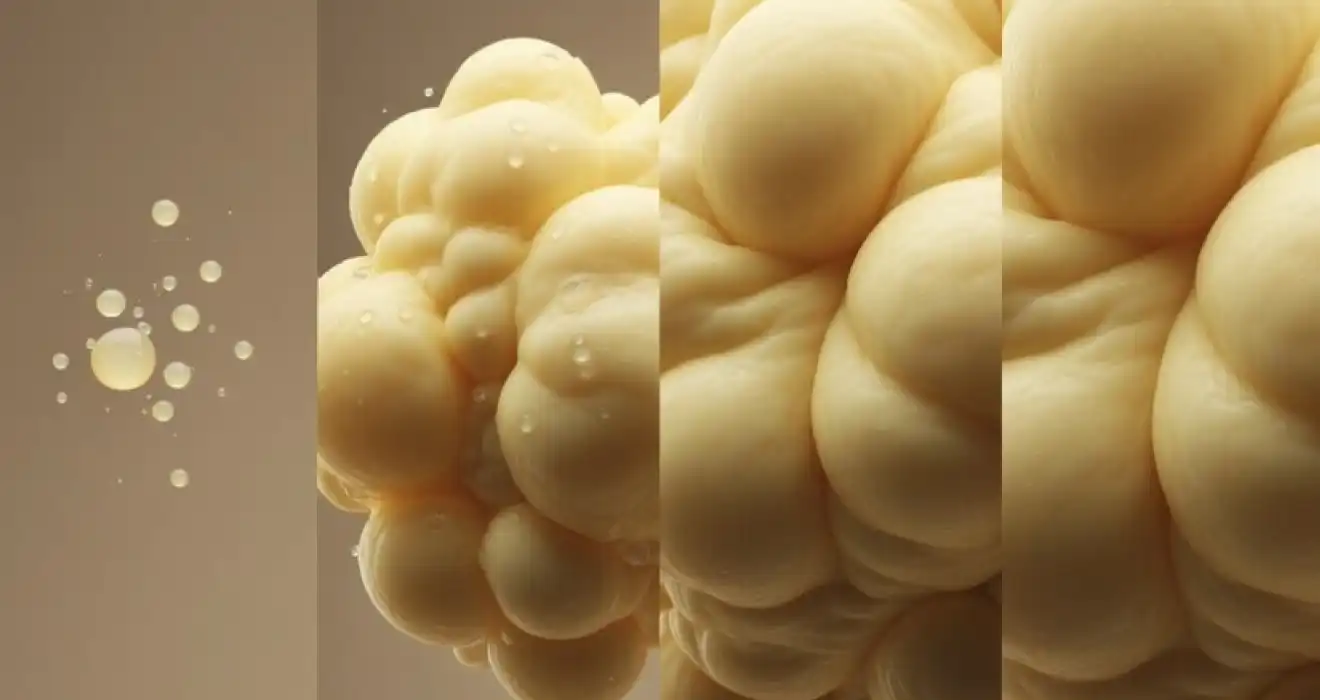
Lipedema is a chronic medical condition that affects the way fat is distributed in the body. It most commonly appears in the legs, hips, and sometimes the arms, while the hands and feet are typically unaffected.
The condition primarily affects women and is often misunderstood or misdiagnosed. Many people living with Lipedema spend years searching for answers before receiving a correct diagnosis.
Although awareness is slowly growing, Lipedema is still frequently confused with obesity, lymphedema, or normal weight gain. Understanding the signs and characteristics of the condition is an important first step toward proper care.
Lipedema involves a buildup of abnormal fat tissue that does not respond in the same way as typical body fat.
People living with Lipedema often notice:
• symmetrical fat accumulation in the legs or arms
• disproportion between the upper and lower body
• tenderness or pain in affected areas
• easy bruising
• swelling that may worsen throughout the day
One distinguishing feature is that the feet and hands are usually not affected, creating a noticeable transition at the ankles or wrists.
The condition may progress gradually over time, particularly during periods of hormonal change such as puberty, pregnancy, or menopause.
Many individuals with Lipedema are initially told that their symptoms are simply related to weight gain or lifestyle.
Because the condition is not yet widely understood in many healthcare settings, patients may spend years trying different diets, exercise programs, or treatments that do not address the underlying condition.
Some people also develop secondary conditions such as lymphedema, which can further complicate diagnosis.
Increased awareness among both patients and healthcare providers is helping improve recognition of Lipedema, but misdiagnosis remains common.
While Lipedema involves fat tissue, it is not the same as obesity.
People living with Lipedema may notice that the fat in affected areas responds very differently to diet and exercise compared to other parts of the body.
For example:
• weight loss may occur in the upper body while the legs remain unchanged
• affected tissue may feel nodular or fibrotic
• tenderness or pain is often present
Understanding these differences can help individuals and clinicians better distinguish Lipedema from other conditions.

Clinicians often describe Lipedema in stages based on how the tissue and skin change over time. Understanding these stages can help patients and providers recognize the condition earlier and better plan care strategies.
Stage 1
The skin surface appears smooth, but the underlying fat tissue may feel soft or nodular. Swelling and tenderness may be present, and the condition may begin to show as disproportion between the upper and lower body.
Stage 2
The skin may develop an uneven or dimpled texture as the fat tissue becomes more irregular. Nodules in the tissue are more noticeable, and the affected areas may feel heavier or more tender.
Stage 3
Larger masses of fat tissue can develop, sometimes creating pronounced changes in body shape. Mobility challenges and discomfort may increase as the condition progresses.
Stage 4 (Lipolymphedema)
In later stages, some individuals may develop secondary lymphedema, a condition in which the lymphatic system becomes overwhelmed and fluid begins to accumulate in the tissues.
This stage is often referred to as lipolymphedema, where both conditions are present. Swelling may extend into areas that were previously spared, including the feet or hands, and lymphatic support therapies may become an important part of care.
Not everyone with Lipedema progresses to this stage, but understanding the potential relationship between Lipedema and lymphedema highlights the importance of early awareness and appropriate management.
While there is currently no single cure for Lipedema, a variety of strategies may help individuals manage symptoms and improve quality of life.
These approaches may include:
• lymphatic and compression therapies
• lifestyle and metabolic health strategies
• specialized physical therapy
• surgical evaluation in certain cases
Care approaches are often individualized depending on the person’s symptoms, stage of the condition, and overall health.
For many individuals, simply learning that Lipedema exists can be an important and validating moment.
Understanding the condition helps people recognize that their symptoms may have a medical explanation rather than being the result of lifestyle or personal failure.
Improving education and awareness around Lipedema is an important step toward earlier diagnosis, better care, and more informed conversations between patients and healthcare providers.
The 2026 Lipedema Summit takes place June 10–12, 2026, bringing together clinicians, researchers, surgeons, therapists, and patient advocates for three days of expert conversations and education.
The event is free to attend during the live broadcast, making it accessible to anyone seeking trustworthy information about Lipedema.
Register for the Lipedema Summit

We only send good emails. Unsubscribe anytime.













Lipedema Summit is produced by FullCircleMedia.co in collaboration with The Trail to Health and This Healthy Life Podcast.
Copyright © 2026 | Lipedema Summit. All rights reserved.